
School holidays can provide families with an opportunity to arrange routine dental appointments without disrupting classroom activities. For parents managing several schedules, planning ahead may make it easier to coordinate children’s check-ups and other family dental visits.
Understanding what happens during an appointment, and which symptoms require earlier attention, can help parents make informed decisions.
When Should Children Have a Dental Check-Up?
The appropriate interval between dental examinations depends on a child’s oral health, age and individual risk factors. Australian guidance commonly recommends check-ups every 6 to 12 months, but the child’s dental practitioner may advise a different interval based on their needs.
Children with a history of tooth decay, particular medical conditions or other dental concerns may require more frequent assessment.
Parents should follow recommendations from their child’s dental practitioner rather than assume that every child needs an appointment at the same interval.
School holidays can be a convenient time to schedule a routine examination when one is due.
What Happens During a Child’s Appointment?
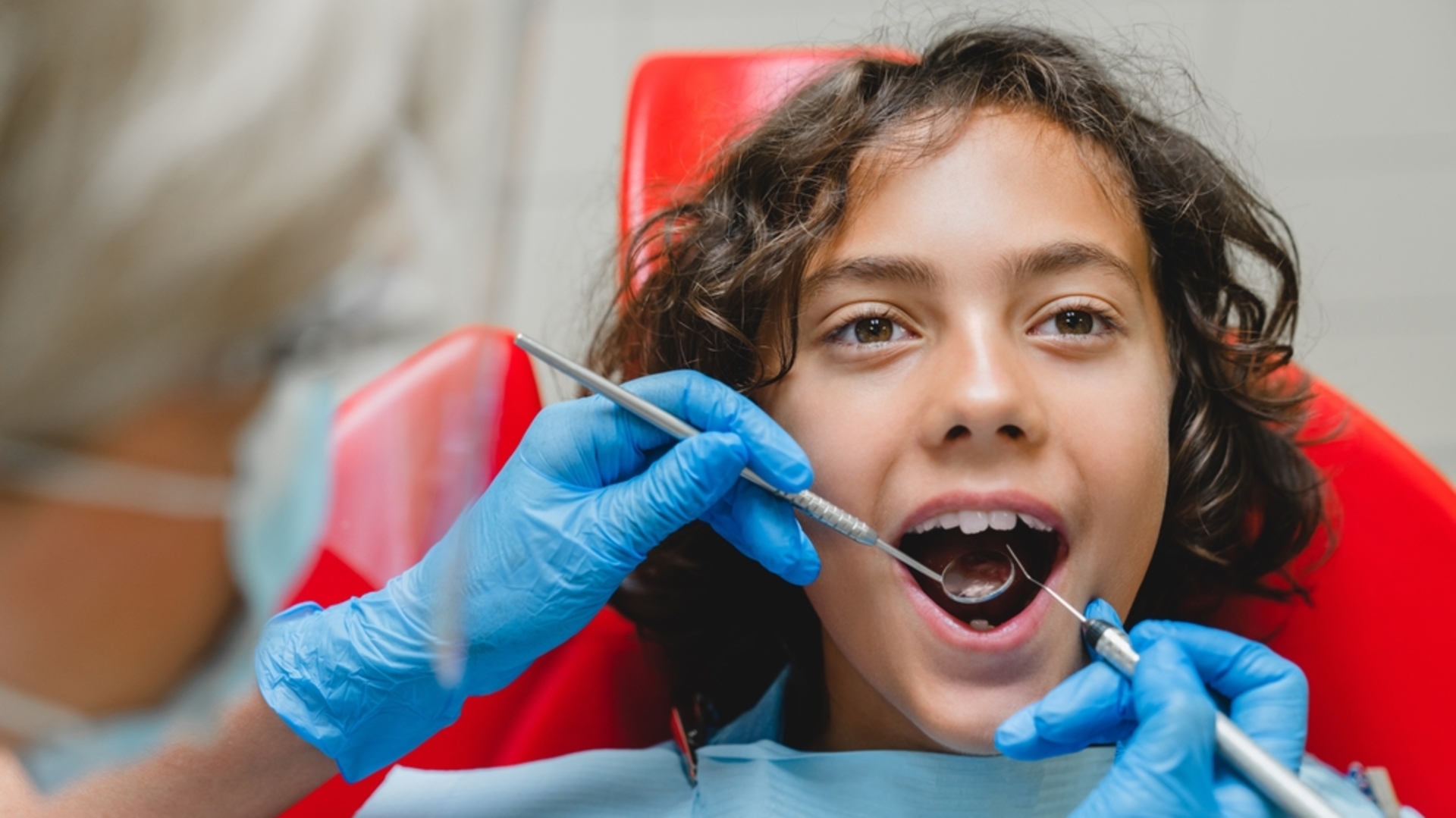
A children’s dental appointment generally begins with questions about oral health, brushing habits, diet and any symptoms.
The dentist may examine the teeth, gums, bite and other oral tissues.
Depending on the child’s needs, the appointment might include professional cleaning, fluoride treatment or dental X-rays when clinically indicated.
Not every child requires the same procedures. The dentist should explain proposed examinations and treatments and discuss appropriate consent with the parent or guardian.
Preparing Your Child for the Visit
Parents can explain that the dentist will look at their child’s teeth and discuss ways to care for them.
Use straightforward language and avoid promising that every procedure will be completely painless.
Younger children may benefit from knowing who they will meet and what the dental chair and instruments might look like.
If a child has sensory sensitivities, previous difficult experiences or additional support needs, tell the practice when booking.
This allows staff to discuss suitable appointment arrangements.
When Should Dental Concerns Be Assessed Sooner?
Routine appointments should not delay assessment of persistent or worsening symptoms.
Toothache that persists or worsens, visible swelling, a broken tooth, unexplained bleeding, or pain when eating should be assessed promptly by a dental practitioner.
A knocked-out permanent tooth is a dental emergency requiring immediate advice from a dental practitioner. Handle the tooth by the crown rather than the root and seek urgent guidance about preserving it while travelling to care. A knocked-out baby tooth should not be replanted.
Facial swelling accompanied by difficulty breathing or swallowing requires immediate emergency medical care; call Triple Zero (000) or go to the nearest emergency department.
Coordinating Family Appointments
Parents arranging visits for multiple family members can ask whether appointments are available on the same day.
Booking early may provide more scheduling options, although availability depends on the practice.
Families should also confirm appointment duration, expected costs and any relevant health fund arrangements before attending.
Book Children’s and Family Dental Visits
Sydney Park Dental’s children’s dentistry service in Erskineville provides oral health assessments, preventive treatments and general dental treatment for children. The practice states that it welcomes patients of all ages, allowing families to enquire about coordinating appointments.
Planning routine visits around school holidays can make dental care easier to organise. However, persistent pain, injuries and other concerning symptoms should be assessed according to their urgency, not the school calendar.